date_range
Monday 12 Oct 2026


 LOCAL EDITION
close
 LOCAL EDITION


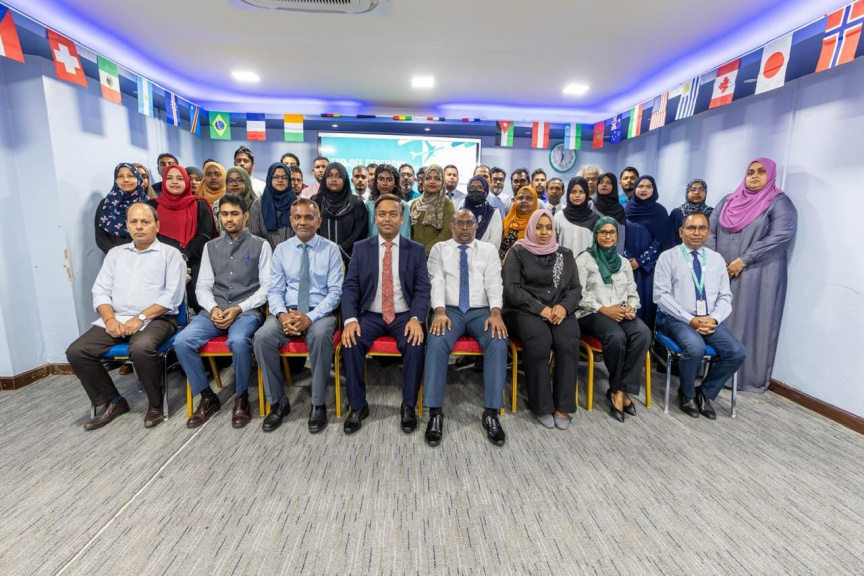
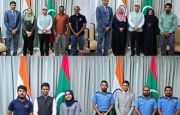
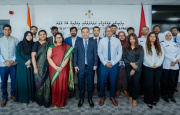
Some Maldivians who underwent training under India’s ITEC program. (Photo/Indian High Commission)
A country's greatest asset is never its geography or its resources. It is its people. And when a partner nation invests not in concrete and steel, but in the skills, knowledge and capacity of your workforce, that is a different kind of generosity altogether, one that lasts far longer than any structure.
Through the Indian Technical and Economic Cooperation program (ITEC), over the past five years, 765 Maldivian candidates from across different sectors have been trained. This year alone, 80 candidates are already enrolled and underway. The demand has grown so steadily that India increased the annual slots allocated for the Maldives from 200 to 300 over the past two years, a meaningful acknowledgement that the program is working and that more Maldivians want in.

What makes ITEC particularly valuable is the breadth of who it reaches. This is not a program that serves one ministry or one profession. The Maldives Police Service and the Prosecutor General's Office have sent participants in the area of law enforcement and justice. MIRA and the Maldives Customs Service have engaged through the finance and revenue sector. The People's Majlis Secretariat, the Elections Commission and the Anti-Corruption Commission have all taken part in governance, legislation and oversight. Major ministries covering economic development, health, labor, homeland security and housing have actively participated as well.
Through the Civil Service Commission alone, more than 1,090 candidates have been trained over five years — with 139 enrolled in 2026 alone. Through the Local Government Authority, more than 248 candidates have completed training, with 86 participating this year.

Capacity building of this kind is among the most sustainable forms of bilateral cooperation. A bridge will serve a generation. A trained and capable workforce will shape several. When India invests in the professional development of Maldivian public servants, it is investing in the long-term health of our institutions and by extension, in the wellbeing of every Maldivian those institutions exist to serve.
The India-Maldives relationship has many dimensions; infrastructure, trade, defense, culture. But perhaps the most enduring investment of all is this one: consistent work of building human capacity, one trained professional at a time.