date_range
Sunday 20 Sep 2026


 LOCAL EDITION
close
 LOCAL EDITION


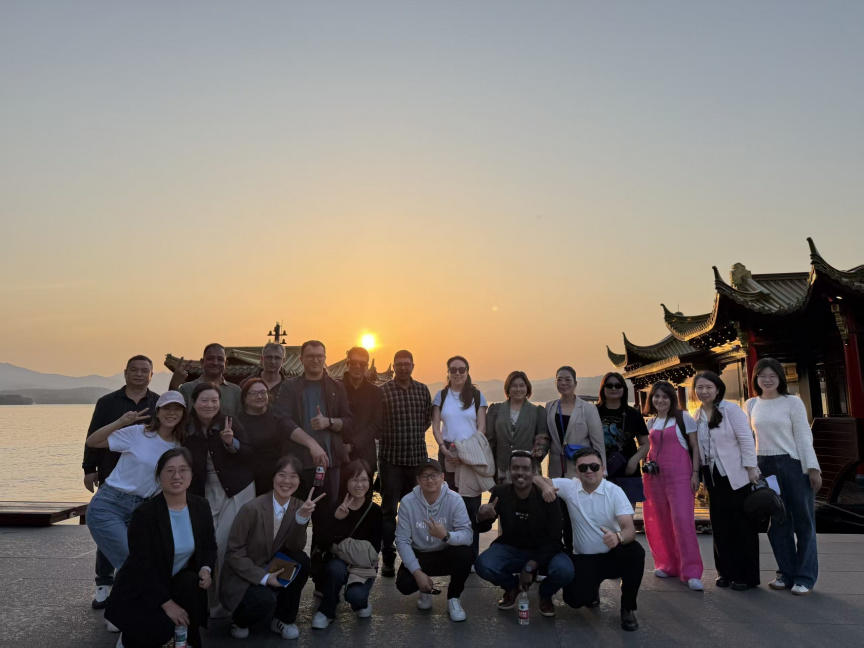
I have arrived in Hangzhou, one of China’s most iconic and culturally rich cities, as part of the SCO Green and Sustainable Development Forum media delegation.
On behalf of The Good-Neighborliness, Friendship and Cooperation Commission (GNFCC) of the Shanghai Cooperation Organization (SCO), a warm welcome was extended to participate in the SCO Media Delegation Activity, marking the beginning of this important international journey.
Despite a delayed flight that caused me to miss part of the initial agenda, the purpose of this journey remains clear—to explore how China is advancing in technology, sustainability, and green development.
My stay in Hangzhou is at the serene Hua Jia Shan Resort, located near the renowned West Lake, a major tourist destination known for its breathtaking natural beauty and cultural significance. The peaceful surroundings reflect a balance between nature and modern living, setting the tone for the journey ahead.

As part of the program, the media delegation visited Hikvision Digital Technology Co., Ltd., a leading technology company specializing in artificial intelligence, big data, and IoT-based solutions. The visit provided valuable insight into how advanced technologies are being used to monitor environmental changes, improve urban management, and enhance sustainability efforts. Hikvision’s innovations, particularly in AI-powered environmental monitoring systems, demonstrate how technology can play a critical role in addressing real-world challenges such as pollution and resource management.

The delegation also visited the Hangzhou Embodied Intelligence Exhibition Center, often referred to as a “robot city” innovation hub. This center showcases cutting-edge developments in robotics and intelligent systems, including humanoid robots and interactive AI technologies. It highlights how innovation is shaping the future across multiple sectors such as healthcare, manufacturing, logistics, and education. The experience offered a glimpse into how human-machine interaction is evolving and how such advancements can improve efficiency and quality of life.

Today, the journey continues to Anji County, a region widely recognized as a model for green and sustainable development in China. Known for its vast bamboo forests and eco-friendly villages, Anji is the birthplace of the concept that “lucid waters and lush mountains are invaluable assets.” This philosophy emphasizes that environmental protection and economic growth can go hand in hand.

As a small island nation, the Maldives faces significant environmental challenges, including climate change, waste management, and sustainable tourism. The experiences and insights gained from places like Anji provide valuable lessons on how communities can develop economically while preserving their natural environment. Initiatives such as bamboo replacing plastic and eco-friendly rural development offer practical examples that could be adapted to similar contexts.

This journey from Hangzhou to Anji marks the beginning of a broader exploration into sustainability, innovation, and international cooperation. It is an opportunity to understand how global practices can be translated into local solutions, particularly for vulnerable nations like the Maldives.
As the visit continues, the focus remains on learning, documenting, and sharing meaningful stories that connect global progress with local possibilities.