date_range
Tuesday 01 Sep 2026


 LOCAL EDITION
close
 LOCAL EDITION


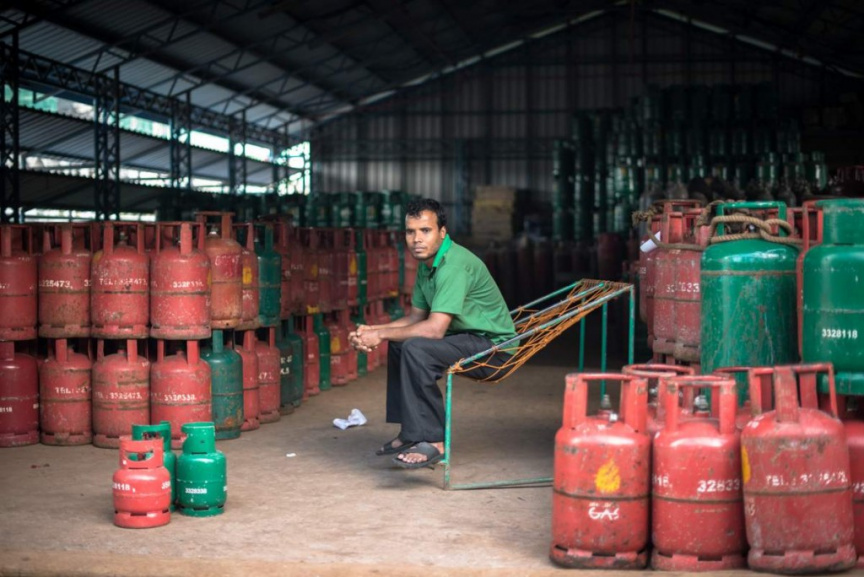
A Maldive Gas warehouse.
Gas and other fuel prices rose by 12.48 percent in March, according to information shared by Maldives Bureau of Statistics.
The essential commodities price index for March shows the overall inflation rose by 0.18 percent month-on-month, and by 1.33 percent year-on-year.
The biggest month-on-month increase in inflation in March came from gas and other fuels. The price of gas and other fuels increased by 12.48 percent from February 2026 to March 2026, and by 12.28 percent from March 2025 to March 2026.
It marks the highest rise in price of gas and fuel since the Bureau of Statistics began releasing the ECPI report in August last year.
US and Israeli war on Iran — and Tehran’s closing of the Strait of Hormuz and strikes on oil refineries and other energy infrastructure in neighboring countries — have driven oil and gas prices sharply higher around the world.
The Maldives has among the 10 countries that has seen the highest increase in fuel prices since the war began, with the State Trading Organization (STO) as well as private fuel suppliers increasing prices.

In March, the price of fuel in some islands jumped from MVR 15 to MVR 30.
Meanwhile, STO’s subsidiary Maldive Gas also faced a stock shortage, prompting the company to limit supply by suspending sale of 10kg cooking gas cylinders and suspending sales to new customers.
The control measures were lifted after Maldive Gas received a new shipment on March 23.
Meanwhile, private supplier Villa Gas announced it would be raising the price of 10kg cylinders from MVR 200 to MVR 350 starting April 9.
Economic Minister Mohamed Saeed subsequently announced that the government would not allow the price of gas to increase, and was engaged in negotiations with Villa Gas.
When questioned on Wednesday, a representative from Villa Gas confirmed it is still selling 10kg cylinders for MVR 200.

The Maldives is a country heavily dependent on imports. The government has repeatedly assured that the country will not face any disruptions to fuel, gas or essential food commodities.
The Asian Economic Outlook report released by Asian Development Bank (ADB) last week forecasts the war on Iran will slow down economic growth in the Maldives to 1 percent.
According to the ADB, this decline is largely driven by mounting pressures on the tourism sector, higher fuel prices, and the growing pressure on the government’s budget, all of which are linked to instability in the Middle East.
Meanwhile, elevated import prices is expected to push inflation to around 5 percent this year, reflecting a broad increase in the cost of living. This is expected to add further strain on household incomes.