date_range
Sunday 25 Oct 2026


 LOCAL EDITION
close
 LOCAL EDITION


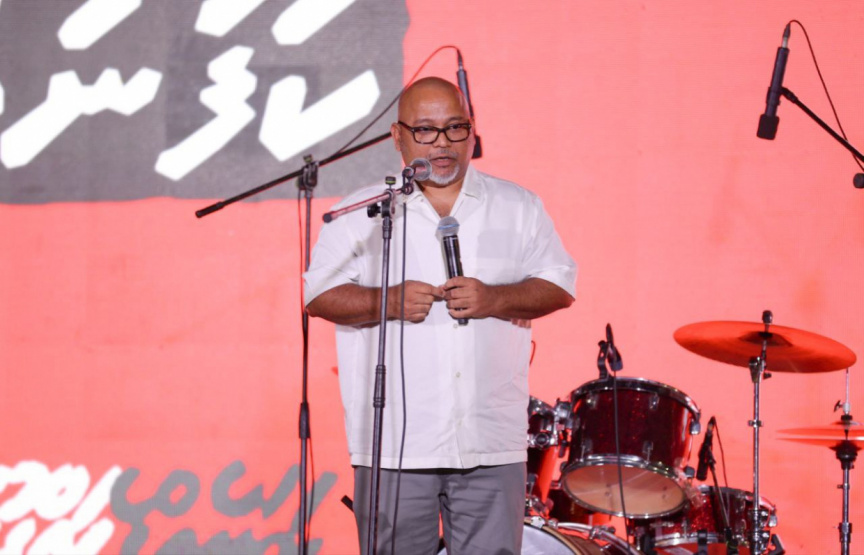
Former attorney general Dr. Ahmed Ali Saward speaks at the open mic forum organized by MJA regarding the media control bill on September 13, 2025. (Sun Photo/Mohamed Afwaan Solah)
Former Attorney General and former Minister of Tourism, Arts and Culture, Dr Ahmed Ali Sawad, has stated that distributing money from MPs’ salaries to constituents amounts to bribery, and that such practices reflect a failure to fulfil constitutional responsibilities.
Sawad made the remarks on X in response to a Facebook post by PNC MP Ahmed Azaan Marzooq of Hithadhoo Central, who argued that despite relatively high salaries, MPs face significant out-of-pocket expenses due to public expectations for financial assistance.
Sawad wrote that MPs are not mandated to provide personal financial aid to constituents, noting that their salaries are intended to cover their own expenses and the operational needs of their constituency offices. “A member’s salary is not given to cover the expenses of the people. It is the lawful wage for his work. If money from a member’s personal expenses is distributed to voters, it is a bribe,” he said.
He added that both the citizen seeking personal gain and the MP providing such benefits are engaging in illegal acts. Sawad questioned whether MPs who rely on such practices, or pursue irregular projects to satisfy constituents, can faithfully uphold their constitutional duties. “A citizen with an honest conscience would not approach these things, and such a member would not do any of these things. People have to go to members, ministers and the president because they cannot fulfil their constitutional responsibilities,” he wrote.
މަޖްލިސް މެންބަރެއްގެ ކިބައިން ފައިސާގެ "އެހީ" އަށް ނުވަތަ އެހެންވެސް އެޒާތު ކަމަކަށް އެދޭ މީހާ ދަންނަންޖެހޭނެ: 1. މެންބަރުންނަކީ ދުސްތޫރީ ޒިންމާތަކެއް އަދާކުރަން އިންތިޚާބުކުރާ ރައްޔިތުންގެ ވަޒީފާގަ ތިބޭ ޚާދިމުން. އެއީ ދާއިރާ ރައްޔިތުނަށް މާލީ އެހީ ހޯދަދޭ ބައެއްނޫން. ???? 1/8
— ahmad ali sawad (@DrSawad) October 24, 2026
His comments come amid renewed debate over parliamentary salaries after the Public Accounts Committee approved increasing the Speaker’s salary to MVR 95,000, alongside adjustments to ministerial car allowances and island council salaries. MPs currently receive MVR 82,500.
A widely shared Facebook post comparing global legislative salaries noted that Singaporean MPs earn 3.2 times the national average salary, while Maldivian MPs earn 7.14 times the average. In response, Azaan argued that Maldivian MPs face unique pressures due to small populations, making it difficult to refuse financial requests from family and close acquaintances. He added that while MPs are not responsible for sponsoring school prize-givings, Eid and Ramadan events, sports tournaments or island-level activities, public expectations often compel them to contribute.
Comments on the post highlighted that such cultural expectations force constituents to seek help from MPs, even though MPs are elected to bring systematic improvements and address broader issues. Some noted that even MPs earning MVR 77,700 struggle with living expenses similar to ordinary citizens who earn far less, paying rent, bills and food.
Many commenters argued that instead of providing extraordinary benefits to select individuals, such practices should be discontinued and reforms introduced. Public criticism over high MP salaries and perceived lack of productivity continues to surface regularly.