date_range
Sunday 04 Oct 2026


 LOCAL EDITION
close
 LOCAL EDITION


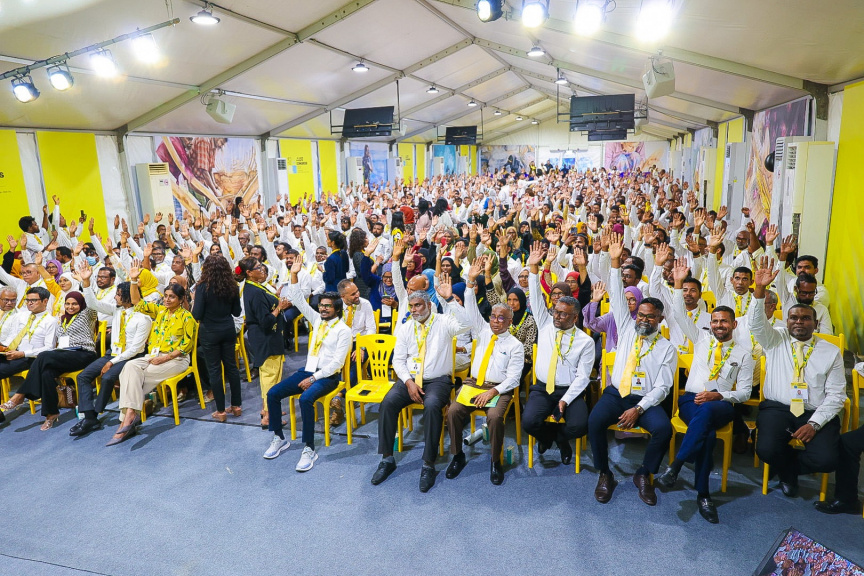
MDP Congress approves decentralization policy paper and "Bodu Badhalu" policy as well as new constitution, October 3, 2026. (Photo/MDP Secretariat)
Former MDP Chairman Fayyaz Ismail’s “Bodu Badhalu” reform policy has been approved by a large majority of delegates at the MDP Congress, with 520 out of 563 delegates voting in favour.
The policy, backed by former Hulhudhoo MP Ilyas Labeeb and supported by former President Mohamed Nasheed, proposes sweeping changes to the Constitution, the system of governance, Parliament, public participation and economic accountability.
One of the most notable components of Bodu Badhalu is the proposal to clearly separate the roles of the supreme head of state and the head of government. Under the plan, the head of government would be directly accountable to Parliament, while the head of state would remain the President, politically neutral and tasked with speaking and acting on important national issues and protecting the power of the people and the Constitution. Fayyaz has said the head of state should be appointed through a joint process involving councils and Parliament.
The reform package also calls for the creation of a special assembly comprising Parliament and elected councillors, endowed with powers to amend the Constitution, make major state decisions, appoint and dismiss the head of state, and appoint and dismiss members of a new oversight commission. This commission would be responsible for holding independent institutions accountable, taking that role away from the People’s Majlis to strengthen institutional independence and public trust.
ކޮންގްރެސްއަށް ހުށަހެޅުނު ލާމަރުކަޒީ ސިޔާސަތު ކަރުދާހައި "ބޮޑު ބަދަލު" ސިޔާސަތު ކަރުދާހުގެ އިތުރުން އާ އަސާސީ ގަވާއިދު ފާސްކޮށްފި. #MDPCongress2026#RahvehiTharaggee#RahvehiUfehdhun pic.twitter.com/RD8DcmtG2E
— MDP Secretariat (@MDPSecretariat) October 3, 2026
Other proposals include allowing the public to vote on the removal of Supreme Court judges, increasing mechanisms for direct public participation, giving voters the power to recall MPs, and enabling councils and Parliament to jointly make major and important decisions. The reforms also seek to curb wasteful exploitation of natural resources and ensure the state honours its agreements with businesses.
Fayyaz has argued that the current Constitution is not sufficiently clear in key areas, creating space for rulers who do not respect laws or democracy to undermine people’s rights. He says all provisions related to democracy and people’s empowerment should be written into the Constitution in a way that cannot be easily reinterpreted. He also contends that the present system fails to properly hold the government accountable when the ruling party controls a parliamentary majority, weakening checks and balances and allowing undue influence over the courts.