date_range
Wednesday 16 Sep 2026


 LOCAL EDITION
close
 LOCAL EDITION


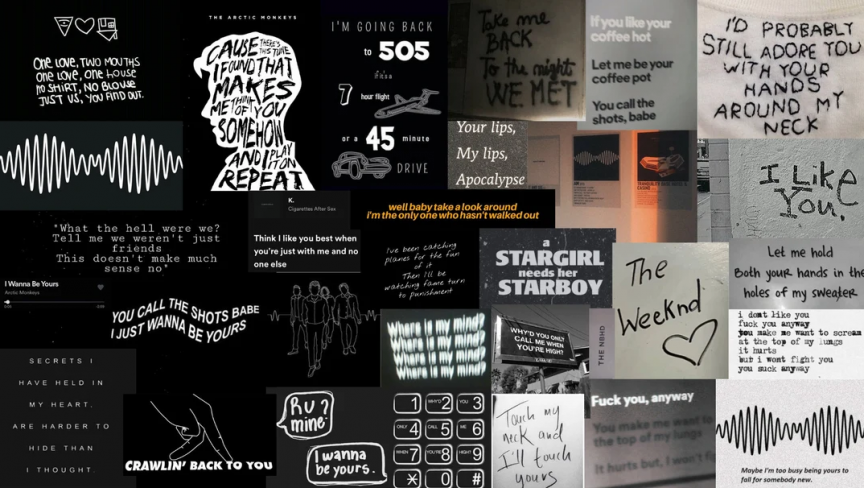
Ever since I was able to form thoughts in my mind, I’ve known I’d be a writer. I’ve always known that someday, when I become a “grown-up”, I’d be doing something related to writing—whether as a career or simply a lifelong passion didn’t matter then, just as it doesn’t now. I just knew I’d be writing at every point in my life. I’d never stop, and so far, I never have.
I think one of the main reasons I fell in love with writing is because I’ve always been an avid listener of music. Or, more accurately, an avid reader and listener of lyrics rather than the music itself. A lot of the poems I wrote when I was starting out were inspired by lyrics I had become familiar with through the songs I listened to most often. And no, I didn’t only listen to Taylor Swift back then, okay? Even though I firmly believe she is one of the greatest songwriters of our time (don’t even start with me before listening to Folklore, Evermore, and The Tortured Poets Department, please).

Anyway, back then, I was still figuring out what genre of music I enjoyed listening to the most. It took entering my teenage years for me to realize that Indie was my preferred genre, mainly because of its unfiltered, raw, and deeply personal storytelling. I listened to Halsey a lot—and I mean a lot—along with Lorde, Billie Eilish as she was just starting out, and many others. It was all set in stone when I discovered Flora Cash. That was when I realized I connected most with songs that were lyrically relatable to my own life and experiences. Especially as a rebellious and troubled teenager struggling with severe mental health issues, finding songs that expressed the thoughts and emotions I wanted to articulate—but couldn’t—contributed greatly to my wellbeing and personal growth. Drawing inspiration from those songs, I began journaling regularly, which eventually led me to writing deeper, more personal, and raw poetry of my own.
Throughout my life, I’ve had some surprising moments where I realized that some of the people around me simply didn’t pay much attention to lyrics or didn’t find the same inspiration in them that I did. Some people listen to music purely for the vibes, and trust me—I’m all for it. I do the same from time to time, especially when I’m in a cheerful mood and just want to enjoy the music. At the end of the day, you do you, and by no means do I want to encourage or force anyone to be more like me. We’re all individuals with our own interests and passions.
Despite all this, I do want to shed some light on the benefits and positive impact that lyrics can have on our mental health and personal growth. That’s why I’d like to dedicate this article to talking about what paying closer attention to this form of literature can enable us to accomplish, understand, or become. After all, lyrics are also the product of hard work by determined and dedicated writers. Acknowledging them and openly appreciating them, in return, allows those writers to feel valued for their work, talent, creativity, and intellect.
Hearing vs. listening

Music has become such a constant presence in our lives that we often don’t notice it anymore. It plays through our headphones on the way to work, fills the silence while we’re studying, accompanies workouts, and hums softly in cafes and shops. More often than not, it’s something happening around us rather than something we’re actively engaging with. We hear it, but we don’t always listen.
It’s easy to get caught up in a catchy beat or a memorable chorus without ever stopping to think about what the artist is actually saying. Many of us can sing every word of our favourite songs from memory, yet if someone asked us what those lyrics truly mean, we’d probably struggle to answer. Somewhere between streaming playlists and putting songs on repeat, we’ve turned music into background noise instead of appreciating it as a form of storytelling.
Yet, behind many songs are deeply personal experiences. Songwriters write about grief, heartbreak, healing, hope, self-doubt, love, identity, and countless other emotions that connect us as human beings. In many ways, lyrics are poetry set to music. I wonder, when was the last time you were fascinated with the metaphors used in a song you frequently listen to? When was the last time you sat and dissected the lyrics to understand what the song is actually about? When was the last time you tried interpreting what it is to you? These songs capture feelings that are often difficult to express in everyday conversation and transform them into something that can be shared with millions of people. That is exactly what I wish to do with my poetry.
Taking a moment to really listen can completely change the way we experience a song. A track we once played simply because it sounded good may suddenly reveal a message we had never noticed before. Sometimes a single line can make us pause, see a situation differently, or put words to emotions we’ve been carrying without fully understanding. By paying closer attention to lyrics, music becomes more than entertainment–it becomes a conversation, an act of empathy, and sometimes even a source of comfort.

And I get it–I have also brushed certain songs off without really paying attention to what the artists are actually saying. It took me a long time to dissect the song ‘Cardigan’ by Taylor Swift and write about my own interpretation of it for my blog. The lyrics, “when you are young, they assume you know nothing” didn’t mean anything to me before I really thought about it. Not to mention the entire bridge of the song. It’s not just Taylor, either, I didn’t realize what “if I knew it all then, would I do it again?” in the song ‘Everything I wanted’ by Billie Eilish meant. I didn’t even know it was a song about how badly her mental health had deteriorated to the point where she dreamt of taking her own life. I didn’t know what Gracie Abrams meant when she said, “lost color in my face, you’re fearing I’m insane” meant. But at some point, I sat down and really listened and really thought about what they were trying to say. And isn’t that what everybody wants–even artists with their art? For someone to pay attention? For someone to listen?
Same wavelength

I’ve been through countless moments when certain emotions have become difficult to explain. I’d be lying if I said I don’t go through that anymore–I do. And I am very well aware that it’s something many others go through as well. We know we’re overwhelmed, heartbroken, anxious, or simply not ourselves, yet no matter how hard we try, the right words never seem to come. We aren’t able to form them. Then, almost unexpectedly, a song does it for us–doesn’t it? A lyric captures exactly what we’ve been feeling, and suddenly an emotion that felt confusing or isolating becomes something we can name. Or at least understand.
Perhaps that’s one of the most remarkable things about music. About songwriting. Someone we’ve never met, living a completely different life, can write a line that feels as though it was pulled directly from our own thoughts. In those moments, we’re reminded that our experiences, however personal they may seem, are often shared by others. There’s a quiet comfort in knowing that someone else has felt the same fear, grief, uncertainty, or hope and found a way to express it. I’ve experienced this with Gracie Abrams on way too many occasions.

Psychologists have long recognized that putting emotions into words can make them easier to process. Research has shown that identifying and labelling our feelings–sometimes called ‘affect labelling’–can help reduce emotional distress by making overwhelming emotions feel more manageable. While writing in a journal or talking to someone are common ways of doing this, meaningful song lyrics can offer a similar starting point. They provide language when our own feels out of reach, helping us better understand what we’re experiencing rather than simply sitting with emotions we can’t explain. This is one reason music is often incorporated into therapeutic settings. Music therapy has been found to support emotional expression, reduce symptoms of anxiety and depression for many people, and create opportunities for reflection that words alone sometimes cannot. While listening to a favourite song isn’t a replacement for professional mental health care, it can become a valuable companion–one that validates our emotions, encourages self-reflection, and reminds us that we don’t have to carry every feeling alone.
For those who don’t know, my sister is an Associate Psychologist with a Bachelor’s Degree in Psychology. I mentioned this in my previous article where I discussed a very interesting topic with her to get her input and insights. When she was obtaining her Bachelor’s Degree, her final assessment was a dissertation, for which she chose the topic ‘How Music Helps Young Adults Relieve Stress.’ According to my sister, during her research for the dissertation, it was discovered that the impact music has on people varies depending on their preferences and situations. For musicians, the instruments used in a song and the composition is what hooks them. They see listening to music as a learning experience–music they love to learn how to play. Some enjoy listening to songs of other languages, while others love listening to classical music to ease their nerves.

It’s all very subjective to preferences. I asked a couple of my close ones about what they prefer when they listen to music–whether it’s the music itself or the lyrics. A few of them enjoy just vibing with the song without focusing on the lyrics whereas others get hooked on songs based on the lyrics.
Sometimes, the greatest gift a song can offer isn’t an answer. It’s the reassurance that someone else has walked a similar path, felt something similar, and survived it. And on days when we struggle to understand ourselves, knowing we’re not alone can be exactly what we need to hear. As a writer and aspiring poet, I wish to offer the same feeling and experience to my readers.
A brick road to creativity

I've talked about the positive impact reading has on our imaginations in a previous article. Safe to say, I think the same applies to song lyrics.
As I mentioned before, some of us—including me—prefer listening to songs with lyrics we can deeply relate to. For others, lyrics become a doorway to creativity. A very close friend of mine loves listening to songs and imagining scenarios that fit the stories they tell. Sometimes she'll find songs that perfectly suit a fictional couple from whatever television show she's obsessed with at the time.
We have a shared Spotify playlist filled with our favorite songs, and we used to drive around Malé listening to it together. We'd often discuss the lyrics and what we loved most about them. In many ways, she helped me explore my own creativity through song lyrics. Whenever she'd tell me about a song she thought perfectly captured a fictional couple we both loved—and explain why—I couldn't wait to listen to it myself. Since then, I've found myself associating certain songs with my favorite fictional couples, or even individual characters, because the lyrics seem to fit them so well.
I also find myself creating entirely new stories inspired by the songs I listen to. I focus on the lyrics and build characters around them, giving them histories and personalities based on the imagery and emotions woven throughout the song.
For example, Gracie Abrams’, I Told You Things presents two distinct perspectives to me. The first half feels like it's told from the perspective of someone who cared deeply for another person, but not in the way that person needed. She knows she's loved more than she could ever reciprocate, and although they shared a meaningful relationship, she knows they could never become what the other person deserved. Eventually, it had to end. She spends the song wondering what he's doing now, asking herself questions she'll probably never have the courage to ask him.

Then the second half shifts. The music becomes quieter, darker, and Gracie's delivery changes. To me, it feels like his perspective—his explanation for why he chose to let her go.
There are countless songs that inspire me in this way, allowing me to imagine complex characters with meaningful stories. As a writer, many of my unpublished fictional stories—the ones I mostly write for myself and my friends—have been inspired by meaningful lyrics I've discovered over the years.
Simplicity or intricacy?
I think it's safe to say that songs have saved my life. I'd like to believe they've done the same for others.
Many writers—including poets like myself—take inspiration from lyricists and music. In the same way, I imagine many songwriters draw inspiration from poetry. I've always liked to think that song lyrics are simply poetry expressed differently. Or perhaps they're the same thing, only with music accompanying the words. Either way, they have the same effect on me.
The point of this article isn't to convince anyone that lyrics are the only way to experience music. There's absolutely nothing wrong with listening to a song simply because it's fun, energetic, or helps you unwind after a long day. But lyrics represent countless hours of thought, emotion, and craftsmanship from the artists who write them, and I don't think they deserve to be overlooked.
Many albums tell complete stories from the first track to the last. We'll never notice those narratives—or experience the joy of piecing them together—if we never stop to listen.
If we don't open ourselves up to the many opportunities art gives us to grow, reflect, and become more intriguing as people, aren't we limiting ourselves to simplicity? And who wants to settle for simplicity when we can embrace intricacy?

If you wish to read more on the positive impact music has on our mental health, follow the links below: