date_range
Friday 02 Oct 2026


 LOCAL EDITION
close
 LOCAL EDITION


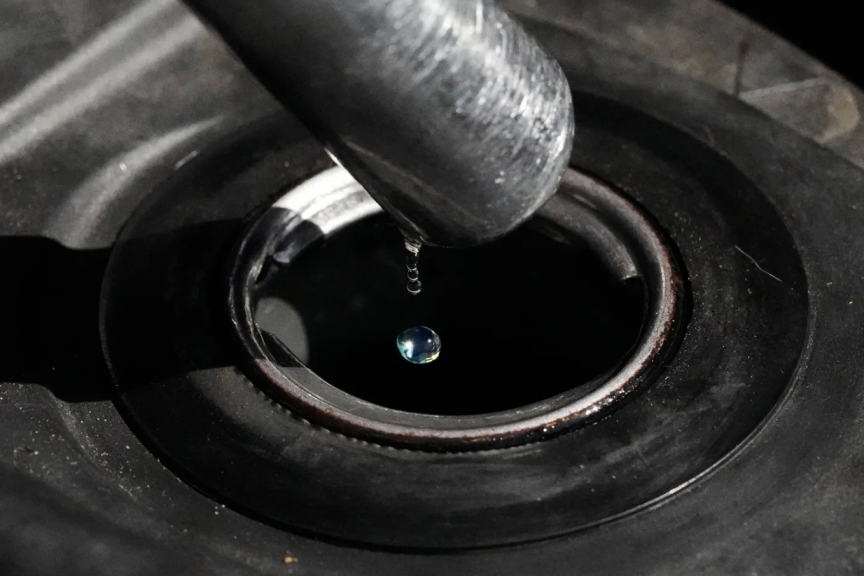
Fuel pumps fill a motorcycle at a gas station in Quezon City, Philippines, as prices rise. (AP Photo)
Asia’s first defences against energy shocks from the Iran war are running short and a more consequential second wave of impacts is beginning to hit.
When the US-Israel war started against Iran, governments scrambled to adapt to the closure of the Strait of Hormuz, a critical artery for energy flowing to Asia. They made difficult trade-offs: saving power at the risk of slowing businesses, prioritising gas for households at the risk of fertiliser production and dipping into energy stockpiles for temporary relief.
But these measures were based on the war lasting only a short time, allowing a quick resumption of energy flows. That has not happened.
With no clear end in sight, the fuel crisis is now rippling across economies. Airfare costs, shipping rates and utility bills are climbing, jeopardizing economic growth. About 8.8 million people are in danger of being pushed into poverty and the conflict may cause $299 billion in economic losses to the Asia-Pacific region, according to the United Nations Development Programme.
“The countries with the least resources to respond, or the consumers who can least afford to pay, are the ones who feel everything first,” said Samantha Gross of the US-based think tank Brookings Institution.
Asian governments planned their budgets assuming the price of oil would average around $70 a barrel. Subsidies helped to keep fuel prices stable. But the war pushed the price of Brent crude to as high as about $120 a barrel.
Costly subsidies
Governments now face a stark choice between maintaining those costly subsidies, straining public finances, or cutting them to pass higher costs on to consumers, risking a public backlash, said Ahmad Rafdi Endut, a Kuala Lumpur-based independent energy analyst.
Asia is bracing for deeper economic fallout from the Iran war as governments struggle with rising fuel costs and shrinking subsidies. India has urged citizens to reduce travel and fuel use, while concerns grow over fertiliser shortages and weaker rice production. The Philippines introduced a four-day work week and targeted subsidies to ease pressure, but businesses continue to face rising energy costs. Thailand has already scrapped its diesel price cap as fuel subsidies dry up. Vietnam extended fuel tax cuts as jet fuel shortages forced flight reductions, threatening its tourism-dependent economy.
“Business is not good right now," said Hanoi-based tour guide Nguyen Manh Thang. “There are already fewer tourists.”
Fuel shortages have pushed cash-strapped countries like Pakistan and Bangladesh to buy oil and gas at current market prices, which are often higher and more volatile than long-term contracts. This raises import costs and adds to pressure on their already limited foreign exchange reserves.
Governments can keep costly fuel subsidies by cutting spending from other priorities like welfare, or borrow more and risk higher inflation, said Endut in Kuala Lumpur. Alternatively, they can reduce subsidies and pass higher costs on to consumers, risking angering voters.
___
Source: TRT